Phosphatidylcholine to support liver cell membranes

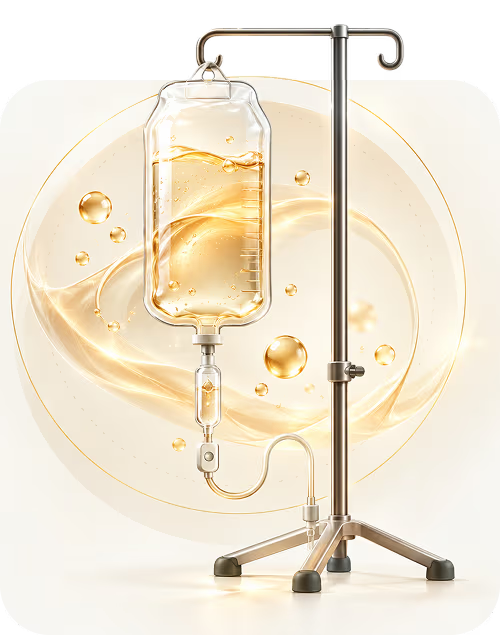
Essential phospholipids are used as part of a comprehensive treatment regimen for conditions in which liver cells are damaged and lipid metabolism is impaired. The injectable form is prescribed and administered by a healthcare professional.

  • 250 mg of essential phospholipids in a 5-mL ampoule
  • Intravenous administration, dosage regimen to be determined by a physician
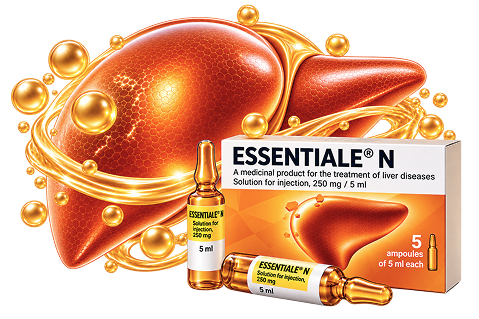
Cell Membrane Phospholipid

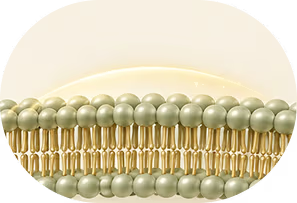
Phosphatidylcholine is one of the main components of cell membranes.

Comprehensive Therapy

Treatment does not replace dietary changes, weight management, alcohol reduction or avoidance, and management of underlying conditions.

Monitoring Treatment Outcomes

Treatment outcomes are assessed based on symptoms, diagnosis, and laboratory test results.

Medical Supervision Required

The injectable formulation is administered intravenously according to a physician-prescribed treatment regimen.


The liver works around the clock.
But its resources aren’t infinite

The liver plays a vital role in the metabolism of fats, carbohydrates, and proteins, the synthesis of various essential substances, and the processing of many compounds. Metabolic disorders, alcohol exposure, certain medications, and chronic diseases can increase stress on hepatocytes (liver cells). Damage to cell membranes can affect cellular function and lipid metabolism.
Normal structure

Normal structure

Hepatocytes

Fat droplet accumulation

Fat droplet accumulation

Fat droplets

Liver Changes Often Occur Before Noticeable Symptoms Appear

  1. 1

    Fatty liver disease can progress for a long time without specific symptoms.

  2. 2

    Abnormal ultrasound findings or elevated liver enzyme levels may indicate the need for further evaluation.

  3. 3

    Fatigue, a feeling of heaviness, or discomfort are nonspecific symptoms and cannot establish a diagnosis without medical examination.

  4. 4

    Treatment depends on the underlying cause. Excess weight, diabetes, alcohol consumption, medications, viral infections, and other diseases require different approaches.

Who Should Discuss Their Liver Health with a Doctor

These factors are a good reason to discuss the test with your doctor

Abnormal Blood Tests

There are abnormalities in blood chemistry tests: ALT, AST, GGT, or other markers.

Ultrasound Findings

An ultrasound reveals steatosis or other liver abnormalities.

Metabolic Factors

The patient is overweight, has abdominal obesity, insulin resistance, or type 2 diabetes.

Alcohol and Medications

The patient consumes alcohol regularly or is on long-term medication.

Chronic Diseases

You have already been diagnosed with chronic liver or biliary tract disease.

Before and After Surgery

You are scheduled for or have undergone a procedure on the liver or biliary tract, and your doctor is developing a comprehensive treatment plan.
Phosphatidylcholine – direct lipolytic

What Is Phosphatidylcholine

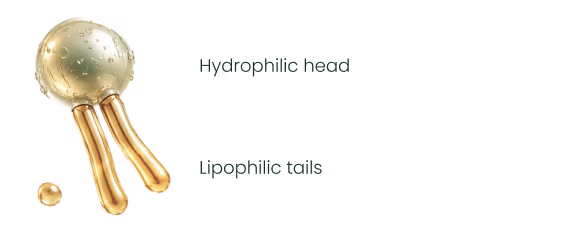
Phosphatidylcholine (PC) is a phospholipid that contains choline. It is one of the main structural components of cell membranes and lipoproteins. Preparations of essential phospholipids use a highly purified fraction of phosphatidylcholine derived from soybeans.
The head interacts with water.
The two tails face the inside of the lipid layer.
The head interacts with water.
The two tails face the inside of the lipid layer.
The bilayer helps maintain the cell’s structure, permeability, and interaction with its environment.

How Phosphatidylcholine Is Linked to Hepatocyte Membranes

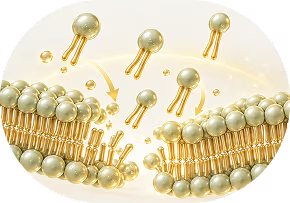
Damaged membrane

Damaged membrane

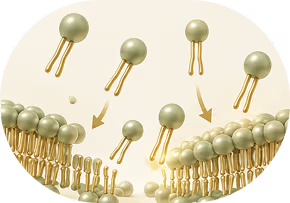
Phosphatidylcholine enters the body as part of the prescribed medication.
Phospholipid delivery

Phospholipid delivery

Phospholipid components participate in metabolic processes and can be incorporated into cell membrane structures.
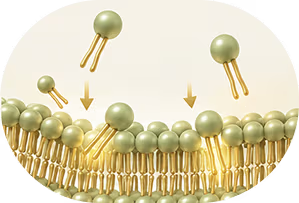
Lipid layer incorporation

Lipid layer incorporation

Supporting the membranes involves maintaining their fluidity, permeability, and the function of membrane proteins.
More intact membrane

More intact membrane

Changes in liver function are assessed not based on subjective sensations immediately after administration, but rather based on clinical and laboratory data over time.

Why Choose Essential Phospholipids?

Membrane Support

Phosphatidylcholine is a structural component of membranes and is involved in their normal organization.

Role in Lipid Metabolism

Phospholipids are involved in the formation and transport of lipoproteins and in lipid metabolism.

Role in Comprehensive Therapy

The drug may be prescribed in conjunction with dietary adjustments, weight management, alcohol reduction, and treatment of comorbid conditions.

Measurable Monitoring

Progress is assessed based on diagnosis, symptoms, laboratory tests, and diagnostic imaging.

Parenteral Form

Intravenous administration ensures that the drug is administered under the supervision of medical personnel.

Important Disclaimer

Effectiveness depends on: the nature and extent of liver damage; the dosage and administration regimen; the patient’s metabolic characteristics; adherence to dietary recommendations, abstinence from alcohol, and management of comorbid conditions.

When a Doctor May Consider
Essential Phospholipids

Phosphatidylcholine may be used as part of comprehensive therapy for conditions associated with hepatocyte damage and impaired liver function. The list of indications must be verified word for word against the current locally approved prescribing information.

Fatty liver disease / hepatic steatosis

As part of a comprehensive treatment approach in which nutrition, physical activity, weight loss, and management of metabolic risk factors play a key role.

Acute and chronic liver diseases

As part of a treatment plan selected by a physician based on the underlying cause of the disease.

Toxic and drug-induced liver injury

Following an assessment of the causative factor and associated risks.

Liver cirrhosis

As an adjunctive therapy that does not replace standard treatment and ongoing medical monitoring.

Perioperative support for liver and biliary tract surgery

Only at the discretion of the treating medical team.

Formulation and Composition

Composition and form for intravenous use
Phospholipids 250 mg
Ampoule 5 mL
Formulation
Solution for intravenous administration
Ampoule Volume
5 mL
Active Ingredient
Essential phospholipids / phosphatidylcholine derived from soybeans — 250 mg
Excipients
Must be listed strictly according to the locally approved prescribing information: deoxycholic acid, sodium hydroxide, benzyl alcohol, sodium chloride, riboflavin, and water for injection — provided that this composition is confirmed for the specific product.
Phosphatidylcholine – direct lipolytic

The procedure is prescribed and performed by
a medical professional

This solution is intended for intravenous administration. The dose, rate of administration, duration of treatment, and whether dilution is necessary are determined by the physician and the current instructions for the specific medication.
Do not administer intramuscularly: this may cause local irritation.
Do not use for self-injection at home.
Solvents and compatibility must comply with the instructions; electrolyte solutions must not be used with certain formulations.
Before administration, healthcare professionals should assess contraindications, allergy history, and concomitant therapy.

How a Safe Patient Pathway Is Built

Consultation

The doctor clarifies the diagnosis, symptoms, medications, alcohol use, weight, and comorbidities.

Examination

If necessary, blood tests, ultrasound, and other tests are ordered.

Treatment Plan

The cause of the injury is addressed, and the need for additional therapy is determined.

Treatment Course

Medical staff administer the treatment according to the prescribed regimen.

Monitoring

The doctor assesses the patient’s tolerance and monitors changes in test results; treatment is adjusted as needed.

Which Parameters a Doctor May Track Over Time

Laboratory test results do not constitute a diagnosis on their own, but they help assess liver cell damage and the condition of the biliary tract in the context of the clinical picture.
Parameter What It Indicates Why Context Matters
ALT
An enzyme often elevated when hepatocytes are damaged
Levels depend on the underlying cause and do not independently indicate the degree of liver fibrosis
AST
An enzyme found in the liver, heart, and muscles
Changes should not be interpreted separately from ALT and other clinical findings
GGT
An enzyme associated with the liver and bile ducts; levels may be affected by alcohol consumption
Elevated levels are nonspecific and require medical evaluation
Lipid Profile
Cholesterol and triglyceride levels
Important in assessing metabolic disorders and fatty liver disease (MASLD, formerly NAFLD)
Glucose / HbA1c
Glucose metabolism and long-term blood sugar control
Helps assess metabolic risk factors

Scientific Data: An Observational Study

Changes in Liver Enzyme Levels in Patients with Newly Diagnosed NAFLD

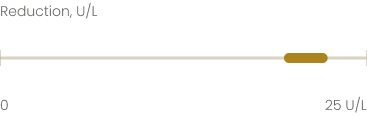
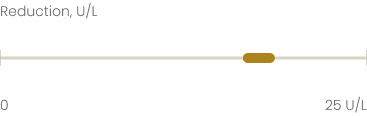
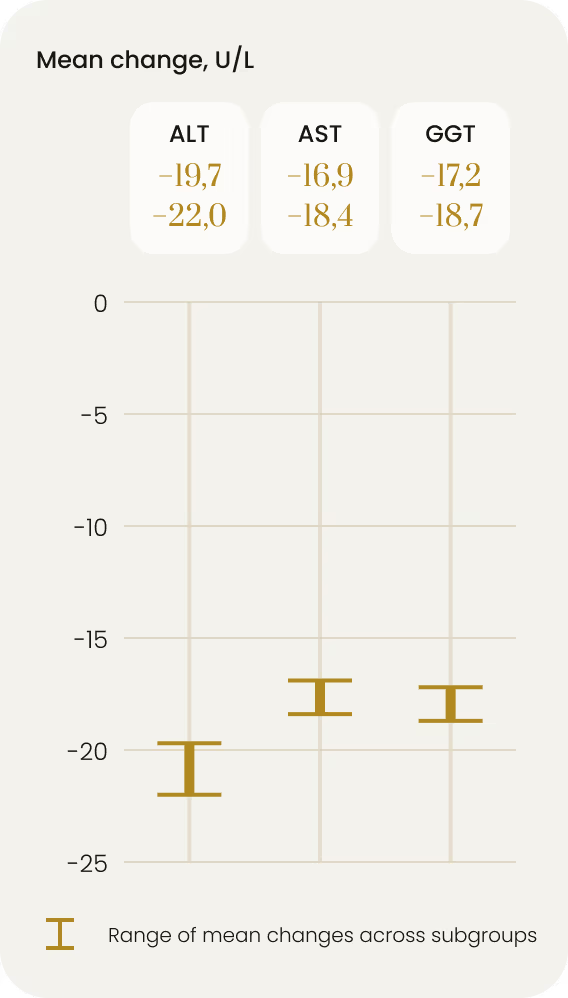
Mean enzyme changes by week 24

2,843

adult patients

24 weeks

of follow-up

12 and 24

weeks of assessment

ALT

−19,7 … −22,0
Enzyme linked to hepatocyte damage

AST

−16,9 … −18,4
Also found in the heart and muscles

GGT

−17,2 … −18,7
Marker linked to the liver and bile ducts

What These Data Mean

This is an observational study of adjunctive therapy, not randomized evidence of an isolated effect of the injectable product. The study used a daily PPC dose of 1.8 g plus standard treatment; the figures cannot be directly applied to a specific formulation, course, or individual patient.

Lower enzyme levels do not equal complete restoration of liver structure. In NAFLD, diet, physical activity, weight, and metabolic factors matter.
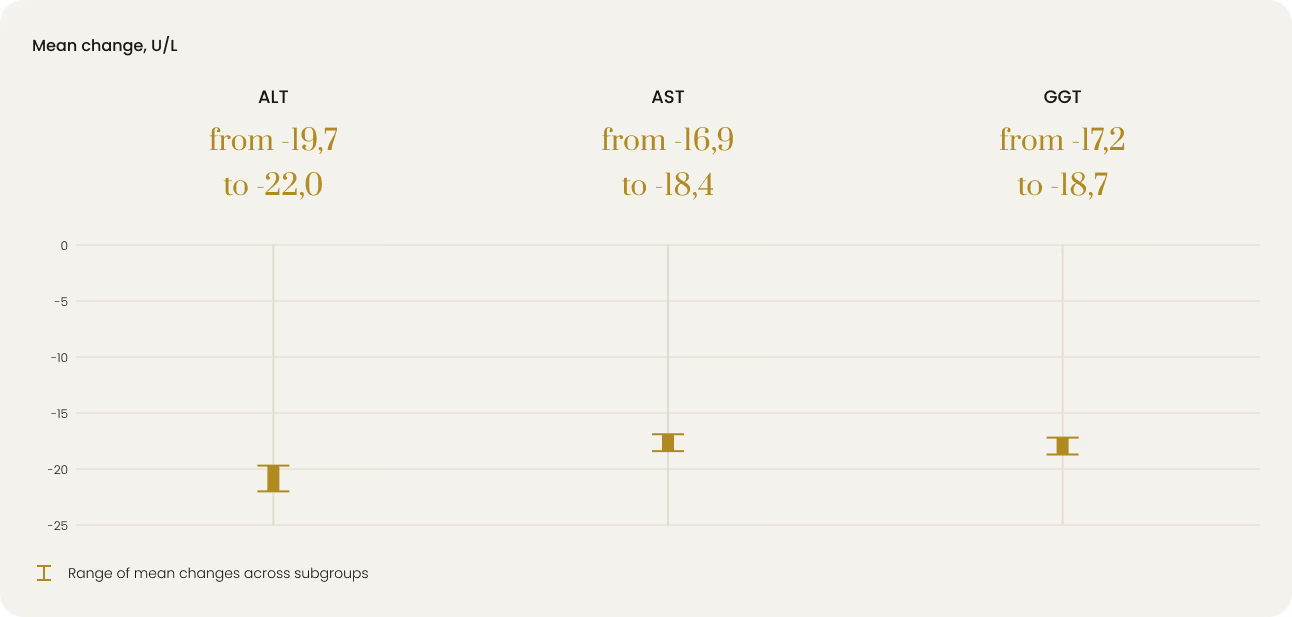
Study Results Infographic

Mean changes in an observational study; individual results may vary
Similar results were observed in subgroups with one, two, three, or four comorbidities. Reductions in liver enzyme levels suggest improvements in biochemical markers of liver injury but do not, on their own, confirm sustained improvement in liver function.

Liver Enzymes at a Glance

ALT

Alanine Aminotransferase
A liver enzyme that typically increases when liver cells are damaged.

AST

Aspartate Aminotransferase
An enzyme found in the liver, heart, and muscles; levels may rise when these tissues are damaged.

GGT

Gamma-Glutamyl Transferase
An enzyme associated with the liver and bile ducts; levels may increase in liver or biliary tract diseases and with alcohol consumption.

Important to Understand

Not to be confused with liver treatment

Application

In aesthetic medicine, subcutaneous formulations of phosphatidylcholine combined with deoxycholate have been studied for the reduction of localized fat deposits. Studies and reviews describe volume reduction in specific areas; however, safety and outcomes depend on the formulation, technique, and the physician’s expertise.

The FDA-approved drug for reducing moderate to severe submental fat is deoxycholic acid, not the intravenous formulation used for liver treatment.

Safety and Results

Key factors
  • Formulation
  • Technique
  • Physician’s

Limitations of use

  1. 1 Do not use for general weight loss.
  2. 2 Do not administer the contents of ampoules subcutaneously or into adipose tissue outside the approved instructions.
  3. 3 Do not combine the “support the liver” and “remove fat” CTA in a single treatment.
  4. 4 Aesthetic procedures require a separate page, separate legal approval, and a specialized medical professional.

Safety and Contraindications

This medication has contraindications and may cause adverse reactions. Before prescribing it, the doctor assesses for allergies to its components, the patient’s age, pregnancy or lactation, comorbidities, and other medications.
  • Hypersensitivity to phosphatidylcholine, soy, or other components of the medication.
  • Age restrictions—strictly according to local instructions; the presence of benzyl alcohol requires special attention in children and newborns.
  • Pregnancy and breastfeeding – only after an individual assessment by a physician and in accordance with the instructions.
  • Allergic and local reactions are possible; a complete list is provided in the official instructions.
  • If unusual symptoms occur during administration, medical personnel must stop the procedure and assess the patient’s condition.

Frequently Asked Questions

Find Out Whether Essential Phospholipid Therapy Is Right for You

Leave your contact details and briefly indicate your diagnosis or examination results. A specialist will contact you to arrange a consultation. Do not submit complete medical records or sensitive information through an unsecured form.
Have you been diagnosed with a medical condition?

This information is not a substitute for medical advice. The medication has contraindications.

Scientific Evidence

Observational study

BMJ Open Gastroenterology 2020

Phosphatidylcholine in Comprehensive NAFLD Therapy

A study of phosphatidylcholine use in patients with non-alcoholic fatty liver disease and comorbid metabolic conditions.

Study data do not guarantee individual results.
Read the study

Liver Support Starts
with an Accurate Diagnosis

Phosphatidylcholine may be part of a comprehensive treatment approach, but the choice of medication and treatment regimen depends on the underlying cause of liver abnormalities. Discuss your laboratory test results and medical examinations with your physician.